
Exploring Canine-Assisted Interactions for Children with ADHD
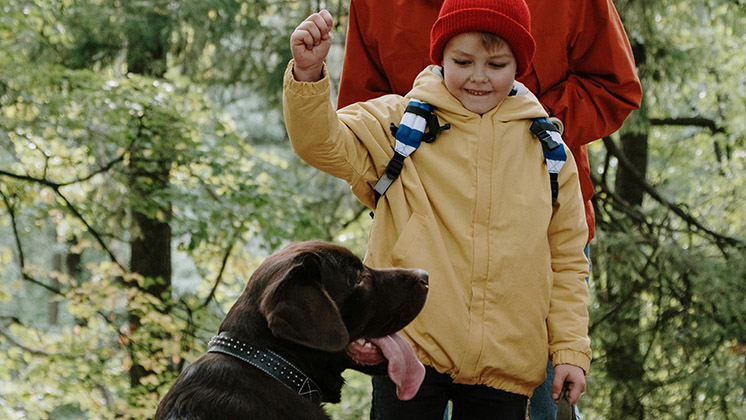
Living with attention-deficit hyperactivity disorder (ADHD) can be challenging, especially for children. While medication and behavioral therapies are common treatments, more families are looking into complementary options like animal-assisted interventions (AAIs). But do these methods really make a difference? A recent study published in Frontiers in Psychiatry sheds some light on this question.
The Study in a Nutshell
The research team investigated how a canine-assisted intervention (CAI) combined with cognitive behavioral therapy (CBT) influenced social interactions among children with ADHD. The study involved 35 children who participated in a 12-week program and were randomly assigned to two groups: one interacted with live therapy dogs, and the other with stuffed toy dogs.
How It Was Done
Researchers observed and coded video footage from five key sessions to see how children behaved. They used a specialized behavior coding system called OHAIRE to record social interactions with adults, peers, and the animals (real or stuffed).
Key Findings
- Human Interaction Boost: Children in the live-dog group showed more significant improvement in human-directed social interactions over time compared to those with stuffed dogs.
- Adult Engagement: Interactions with adults grew notably in the presence of live dogs. Peer interactions increased in both groups but were not significantly different between them.
- Animal Interaction Similarity: Surprisingly, the frequency of interactions with the live dogs was similar to those with stuffed dogs, suggesting that merely the theme of dogs can prompt engagement.
What Does This Mean?
The findings hint that while both live and toy dogs encourage interaction, live animals might enhance social connection with adults more effectively. This suggests the presence of a real animal could trigger unique social benefits not seen with toys.
Why It Matters
Understanding how AAIs work helps refine these interventions, making them more effective for children who might struggle with traditional methods. If your family or community is considering alternative ways to support children with ADHD, canine-assisted therapy might be worth exploring.
Read the Research Paper
This article was based on the research of Dr. Leanne Nieforth and the HAPI lab. Read the research:
Suggested Articles

Understanding the Terminology of Support Animals
Understand the differences between therapy animals, emotional support animals, and more with new expert-defined terms from Howell et al., ensuring clarity and consistency in the growing field of animal-assisted support.
Read more
Anthropomorphizing in Equine-Facilitated Learning and Psychotherapy
Anthropomorphizing in equine-facilitated learning and psychotherapy can aid human healing but may misrepresent horse behavior; a 2025 study urges therapists to use critical reflexivity to balance empathy with accurate equine understanding, ensuring ethical and effective EFL/P practices.
Read more
How Service Dogs Transform the Lives of Families with Autistic Children
Discover how service dogs transform the lives of families with autistic children by fostering social connections, offering emotional support, and enhancing family dynamics, as highlighted in recent research.
Read more