
How Do I Get a Raise as a Vet Tech?
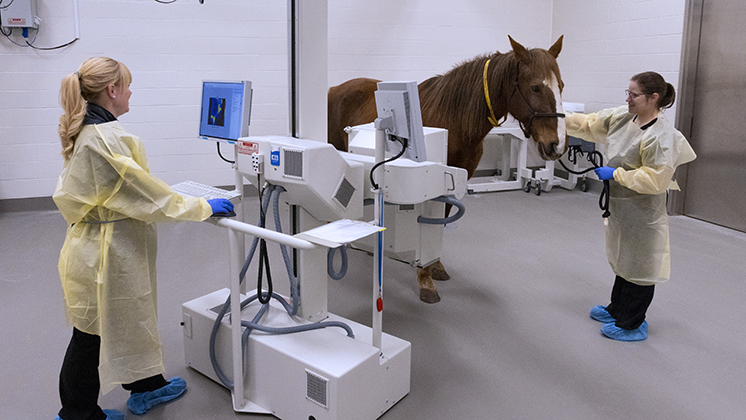


by Paige Allen, MS, RVT and Josh L. Clark, MS, RVT
Veterinary technicians play an integral role in animal healthcare, but often their compensation doesn't adequately reflect their skills, experience, or the complexity of their responsibilities. If you're a vet tech looking to increase your earnings, here are some strategies that may help you secure a raise:
1. Build Your Experience and Skills
The more experience and skills you have, the more valuable you become to your employer. Commit to learning new procedures, improving your efficiency, and expanding your knowledge base. Consider attending workshops, online courses, and continuing education (CE) opportunities to stay updated with the latest developments in veterinary medicine.
These are also opportunities to network with others in veterinary medicine to see what opportunities might interest you. Many states require vet techs to complete CE to maintain their credentials (RVT, CVT, LVT, LVMT).
2. Pursue Specialization
Additional certifications can improve your competency and make you more desirable to employers. Specialized vet techs often earn more than their general practice counterparts. Some certifications, like the Veterinary Technician Specialist (VTS) designation, may require significant time and effort, but it could lead to an increase in your earning potential. Whether it's veterinary dental technology, emergency and critical care, or anesthesia, becoming a specialist not only increases your knowledge and skills but also makes you an asset to your practice, potentially leading to a higher salary. Each specialty has its own set of requirements.
Find out more about the VTS designation.
Other types of certification are American Association for Laboratory Animal Science (AALAS), Certified Veterinary Practice Manager (CVPM), Fear-Free, RECOVER, Habri. This is not an exhaustive list, but it gives you some ideas of how to increase your value to your patients and the practice.
3. Showcase Your Value
Negotiating a raise requires showcasing the value you add to the practice. Maintain a record of your accomplishments, like positive client feedback, handling emergencies, or introducing efficient protocols. When talking about a raise, highlight these points to underline your contribution. It might feel like bragging, but it's necessary to advocate for your worth. Discussing money is often difficult, but beyond our love for animals, we must remember that the clinic is a business and that should be considered when discussing salary.
4. Communicate and Negotiate
Open communication is crucial when asking for a raise. Schedule a meeting with your supervisor to discuss your salary. Come prepared with reasons why you deserve a raise, including examples of your work, accomplishments, and market data to support your request. Check the Bureau of Labor Statistics to compare your salary to national averages.
5. Be Prepared to Look Elsewhere
If your current employer is unable or unwilling to offer a raise, it might be time to consider other opportunities. Other practices may value your skills and experience more highly and offer a better compensation package.
Increasing your earning potential as a vet tech often requires a combination of skill development, effective communication, and strategic career decisions. Remember, it's important to advocate for your worth and ensure your compensation reflects your value to your veterinary practice.
Start Your Veterinary Technician Journey
Find your calling as a Purdue Veterinary Technician!
Not quite ready to apply? Connect with us to learn more.
Suggested Articles

What is the Difference Between a Vet Tech and a Vet Assistant?
Delve into the distinct roles of veterinary technicians and veterinary assistants in animal healthcare. Highlighting differences in education, job duties, scope of practice, and compensation, this guide offers a clear comparison to help aspiring professionals choose their best-fit career path in veterinary medicine.

How Do I Choose the Right Vet TechProgram for Me?
Explore essential factors like accreditation, curriculum, clinical experience, VTNE pass rates, cost, and program format to choose the best vet tech program for a successful career.

What Is the Highest Paid Vet Tech/Nurse?
Explore the factors that influence the highest-paid veterinary technicians, including education, specialization, experience, location, and occupational setting, to maximize your earning potential in this rewarding career.
