
Why Should I Get a Bachelor's in Veterinary Technology?



by Kelsey Wirt, MS, LVT and Josh L. Clark, MS, RVT
There are two common educational pathways you can follow when pursuing a career as a veterinary technician (vet tech):
- Earn an associate’s degree in veterinary technology/nursing. These technicians may decide to go back and earn their bachelor’s degree at a later time.
- Earn a bachelor's degree in veterinary technology program. While this involves more time and financial investment, there are several reasons why this might be a more beneficial path.
1. Increased Knowledge and Skills
A bachelor's degree program offers a more comprehensive education, with a broader range of classes and more in-depth exploration of certain topics. Depending on the program, you may be able to focus on specific areas of interest such as practice management, emergency and critical care, anthrozoology, and more. This increased knowledge and skill level can make you more confident and competent in your role as a vet tech.
2. More Career Opportunities
While an associate's degree can lead to entry-level vet tech positions in a veterinary clinic, a bachelor's degree may open up more career opportunities within or outside a clinical setting. These could include management roles, teaching positions, or specialized areas of veterinary technology, such as research or veterinary pharmaceutical sales. While it is not guaranteed that you will earn a higher salary with a bachelor’s degree, these additional career opportunities often come with higher earning potential.
3. Foundation for Further Education
If you're considering further education down the line, such as a master's degree, a bachelor's degree in veterinary technology can provide a solid foundation.
4. Leadership Training
Bachelor's degree programs often include courses in leadership, communication, and management. These skills can be beneficial if you aspire to take on a supervisory role within a veterinary practice or another animal healthcare setting.
5. Research Opportunities
Colleges that offer bachelor’s degrees typically also offer master’s and PhD degrees. This allows for more opportunities to gain experience working on research projects. If you're interested in working in a research setting, this project experience, combined with a bachelor's degree, can set you apart from other candidates for future jobs.
While an associate's degree in veterinary technology can lead to a rewarding career as a vet tech or vet nurse, obtaining a bachelor's degree can offer additional benefits. These include more extensive knowledge and skills, increased career and earning potential, a foundation for further education, leadership training, and research opportunities. As with any educational decision, it's essential to consider your personal career goals, financial situation, and time commitment.
Start Your Veterinary Technician Journey
Find your calling as a Purdue Veterinary Technician!
Not quite ready to apply? Connect with us to learn more.
Suggested Articles
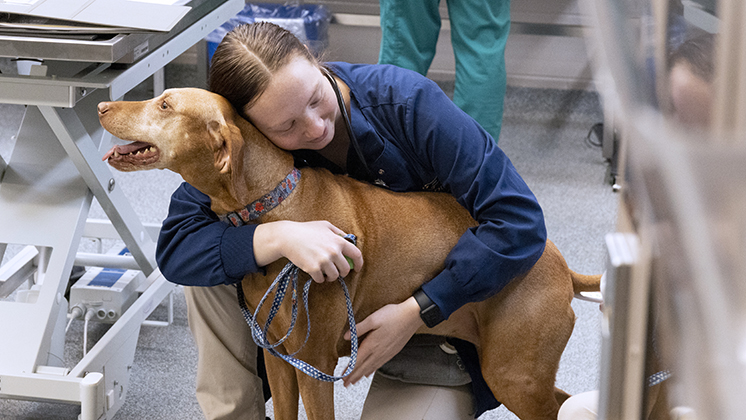
Comprehensive Guide to Vet Tech
Dive into the world of vet techs with our all-encompassing guide. Explore education, tasks, career paths, challenges, and future trends. Featuring real-life insights and resources for aspiring animal healthcare professionals.
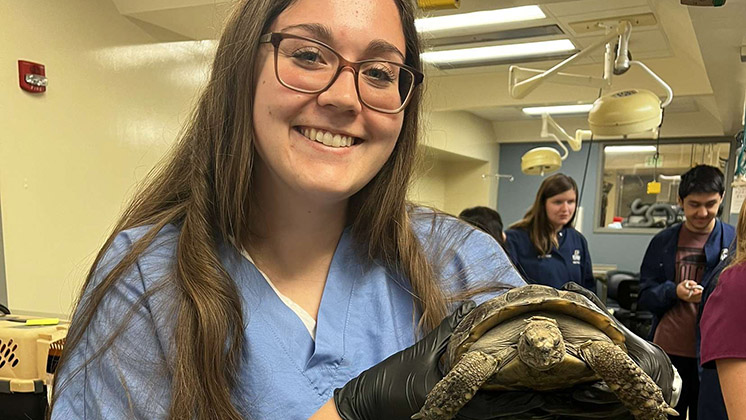
How Do I Choose the Right Vet TechProgram for Me?
Explore essential factors like accreditation, curriculum, clinical experience, VTNE pass rates, cost, and program format to choose the best vet tech program for a successful career.
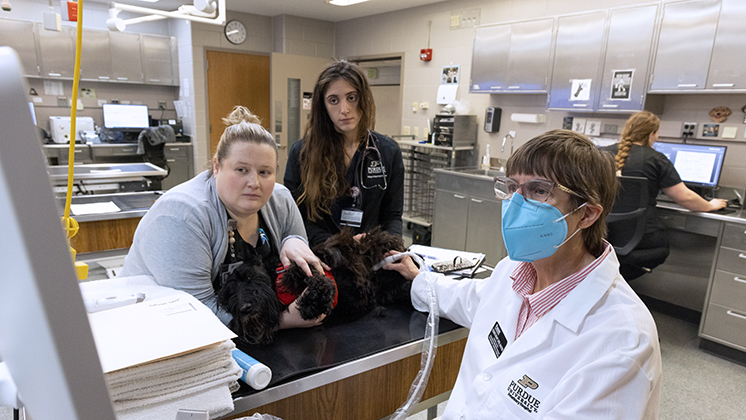
What is an Accredited Vet Tech Program?
Discover the significance of AVMA accreditation when choosing a veterinary technology program. Understand the standards, benefits, and what it means for your future career. See why Purdue's AVMA-accredited programs stand out.
